
5th Anniversary of the AU-CARICOM observed in Ethiopia
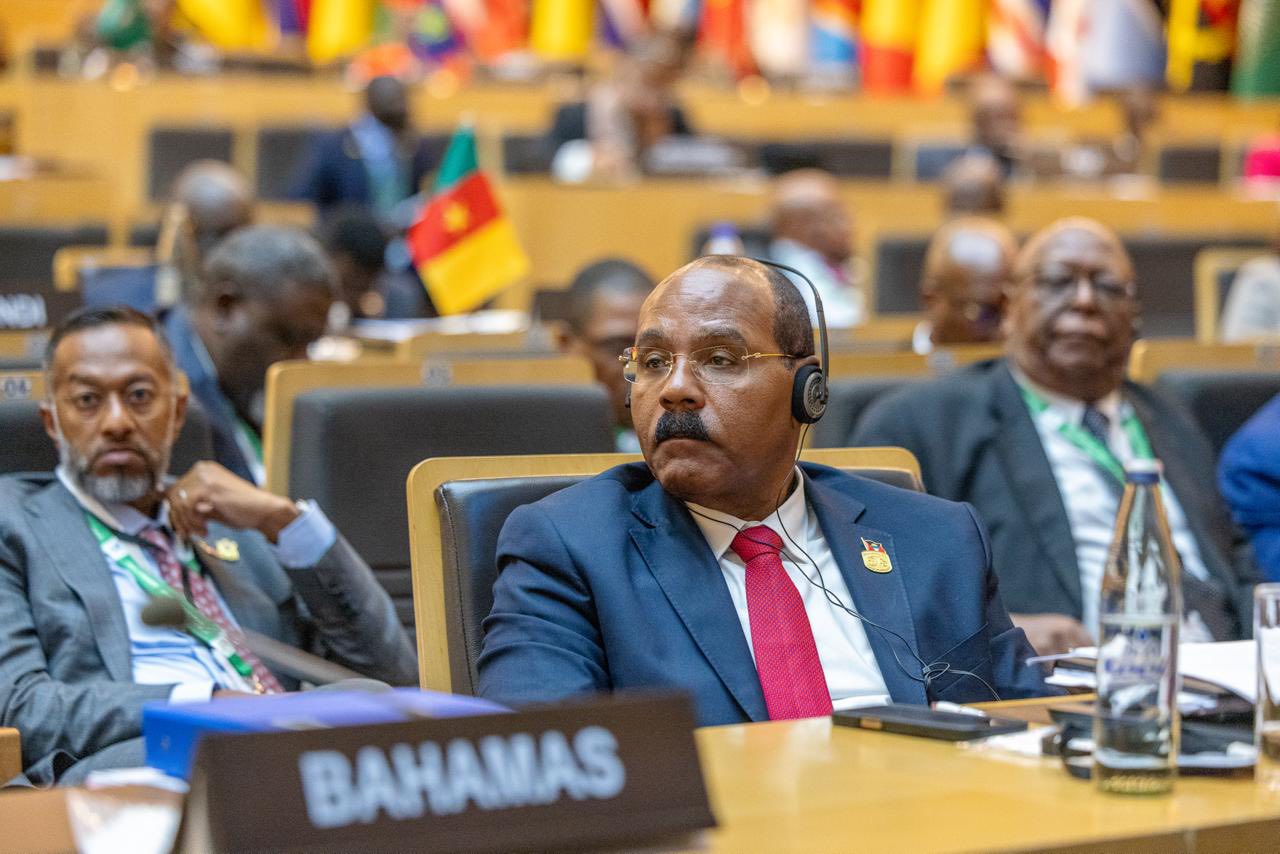
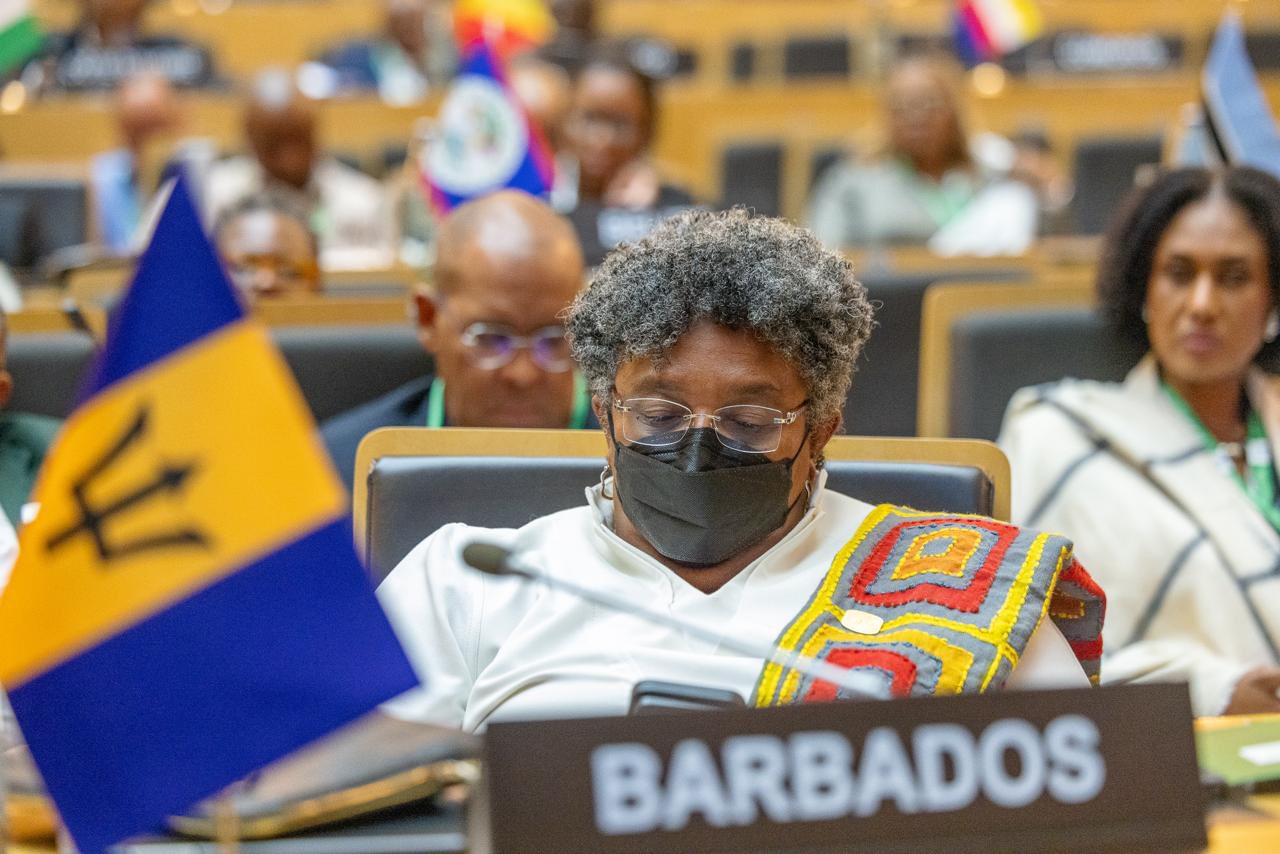
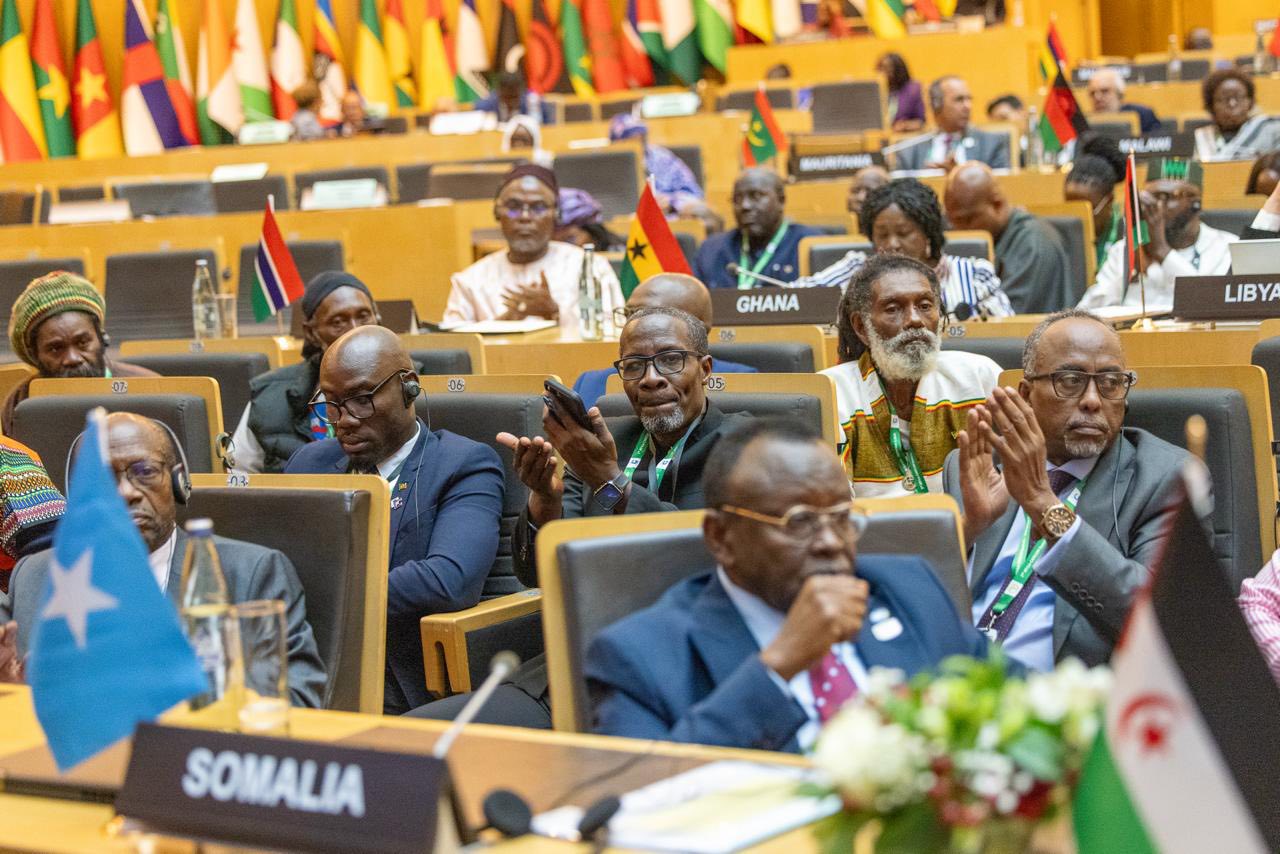
The 5th Anniversary of the Africa Union (AU) and Caribbean Community and Common Market (CARICOM) themed, Transcontinental Partnership in Pursuit of Reparatory Justice for Africans and People of African Descent through Reparations, has been observed in Addis Ababa, Ethiopia at the start of the 2nd edition of the Africa Climate Summit.
The leaders of the AU and CARICOM have called for the recognition of reparatory justice, joint advocacy for reform of the international financial system, more trade and investment from the private sector, fair compensation for colonial exploitation, and a better networked, inclusive multilateral system that is based on solidarity, cooperation, and justice.
President Willian Ruto, stated that the Caribbean's and Africa's collective demand for reparatory justice remained a crucial step towards redressing past injustices, honouring resilience, and restoring dignity.
In addition to calling on the UN to acknowledge reparatory justice and take steps to address the crippling weight of unjust debt, Kenya proposed the bolstering of the Africa-CARICOM Reparations Working Group by rallying more resources and support.
Dr. Timothy Harris, the Prime Minister of St. Kitts and Nevis and Chair of the Caribbean Community, observed that the Summit was a historic event rooted in the shared history and fraternal connections between the African diaspora and the Caribbean Community (CARICOM). He reiterated that the gathering was a homecoming for the Caribbean Community who remained separated by an ocean, a colonial system, and an unfavourable international economic order but were bound together by a common heritage and an enduring spirit. He commended the Rastafarian community's unwavering commitment to encouraging their leaders to establish connection with Mother Africa.
Dr. Carla Barnett, Secretary-General Of the Caribbean Community (CARICOM) while reflecting on the first Summit’s commitments towards collaboration in areas such as health, mass media, transportation, trade and investment, and in reigniting people-to-people contact, affirmed that CARICOM and AU continued to work together and this had resulted in the operationalization of the CARICOM-AU Memorandum of Understanding, launching of the Health Development Partnership for Africa and the Caribbean (HeDPAC), and drafting an action plan for its first year.
Ethiopian Prime Minister Dr. Abiy Ahmed Ali emphasised the need of regional unity and cooperation within the AU-CARICOM framework in addressing common economic, social, and environmental concerns. Referencing the Battle of Adawa as the heart of freedom for Africa, Prime Minister Abiy stressed that previously forgotten voices were demanding to be heard and urged for unity under the AU-CARICOM partnership. The Prime Minister highlighted that global challenges increasingly required coordinated regional responses, and that regions like Africa and the Caribbean could no longer act in isolation.
Prime Minister Abiy Ahmed proposed a 4-pillar bricks of unity on AFRICA-CARICOM partnership maximising on the principle of ‘Medemer’ or synergy among peoples. This he noted had brought about the national connection reflected in various Ethiopian projects such as Green Legacy Initiative, Summer Wheat Program and Ethiopian airlines.
The premier implied that Ethiopia's achievements through medemer could be replicated to the Africa Caribbean relations. "Our experience guided by the spirit of medemer together with our collective innovations in energy, agriculture, digital technology and knowledge can be a bridge linking Africa and the Caribbean in shared prosperity."
The four-pillars of impact for Africa include, Agriculture and Digital Innovation which harnesses the Artificial Intelligence, E-Learning for agriculture; Innovation and Collaboration through the establishment of innovation hubs that drive start-ups and institutional partnerships; Culture and Leadership that builds on the synergies of cultural diplomacy, and advancing knowledge in health systems.
The Summit was informed that CARICOM's partnership with Afreximbank continued to deepen with the establishment of its Caribbean Headquarters in Barbados and hosting of the AfriCaribbean Trade and Investment Forum (ACTIF) had already taken place in four CARICOM Member States. The Secretary General reiterated the need for joint advocacy on the reform of the international financial institutions and adoption of necessary responses to the destructive impact of climate change that impacted on the increasing vulnerabilities of the peoples of the Caribbean and African continent. It was noted that while both regions accounted for approximately six percent of the global emissions that caused global warming, their people continued to bear the brunt of the impact.
The Summit was apprised of efforts in place to address transportation challenges between the Caribbean and Africa, these included the on-going process to finalise multilateral air services agreement while increased trade and investment by private sectors remained urgent and critical. While observing the Second International Decade for People of African Descent and cognisant of the African Union designation of 2025 as the year for "Justice for Africans and People of African Descent Through Reparations," the Summit was informed that the CARICOM Reparations Commission remained at the vanguard providing intellectual leadership and guidance on AU-CARICOM partnership.
Further, cognisant of the injustice of colonial rule and the Transatlantic Slave Trade, the Summit was urged to unite in the demand for due compensation for the exploitative practices that traumatized and disadvantaged millions on both sides of the Atlantic Ocean. It was noted that the decisions of the Summit on reparation would send a powerful and decisive message of cooperation and determination.
United Nations Secretary General Antonio Guterres, while expressing his gratitude for the Summit reiterated the importance of multilateral cooperation, as embodied in the values, principles, and work of the African Union and CARICOM. He emphasised the urgency for a better networked and inclusive multilateral system, drawing on the expertise of all humanity. Secretary General Guterres acknowledged the Government of Benin for establishing a legal pathway for descendants of sub-Saharan Africans to reconnect with their ancestral homeland. He emphasized that Africa and the Caribbean remained victims of two colossal and compounded injustices: colonialism and the trans-Atlantic slave trade, where decolonization alone was not a panacea but rather reparatory justice frameworks were urgently needed. Secretary General Guterres cited the 'Pact for the Future,' adopted in September of last year, as an anchor prioritizing dialogue and negotiation, ending wars, and ushering in a new era of relations between nations based on sovereign equality, collective peace and security, and shared prosperity in larger freedom.
Angolan President and Chairperson of the African Union, His Excellency João Manuel Gonçalves Lourenço, emphasised the need to strengthen the struggle for reparative justice at the global level, focusing on political, economic, social, and cultural cooperation based on common history and blood ties.
President Lourenço has member states of the AU-CARICOM to make use of all tools available in the field of reparation, among these, the Afro-Caribbean Reparative Justice Mechanism and the Global Reparations Fund. Referring to progess made through the establishment of the AfreximBank office in the Caribbean which served to opening new opportunities for trade and investment, the AU Chair affirmed on efforts to strengthen cooperation within the strategic areas of trade, transport, education, science, culture, and mutual support in addressing global challenges.
The AU Chair however confirmed that past commitments remained unfulfilled including defining a clear roadmap for establishing a Joint Communication and Media Platform, signing of a Multilateral Air Services Agreement, visa exemption and review of existing visa regimes, creating direct flights between Africa and the Caribbean, the establishment of an Africa-CARICOM Public-Private Partnership, as well as the launching of the Forum of African and Caribbean Territories and States.
The Summit was informed of the urgency to implementing its decisions and transforming them into lasting and concrete benefits for its peoples through intense and active exchange in the main areas of cooperation, particularly in the economic sphere, which stimulates trade and investment in energy, digital technology, agro-industry, and blue economy sectors. In the cultural sphere, the Summit was informed the focus should be on deepening educational, artistic, and sporting exchanges that reinforced shared identity, and in the social sphere, giving an active voice to young people, universities, scientific research centers, and cultural organizations in the diaspora.
The AU Chair proposed the creation of Permanent Technical Subcommittees, to facilitate the implementation of clear objectives on areas of common strategic interest and propose concrete proposals for investment in vaccine production, agricultural innovation, and other sectors that support development.
The Summit was informed of the urgency in driving necessary reforms for the global financial architecture to facilitate a fairer approach to debt and provision of financial resources for structural projects in Africa and the CARICOM region. The AU Chair reiterated the importance of involving young people in AU-CARICOM strategies and proposed the institutionalization of the African Union-CARICOM Youth Council as a permanent consultative body.
The Summit was lastly reminded of the weakening of multilateral institutions whose impact continued to be felt greatly on Africa and the Caribbean, necessitating a more determined effort to cooperate in defending and promoting comprehensive multilateralism. The AU Chair called for a joint defence of multilateralism capable of responding to contemporary challenges in peace, security, climate, and sustainable development.