
Financing Clean Cooking: Shifting from Pilots to Decisive Delivery
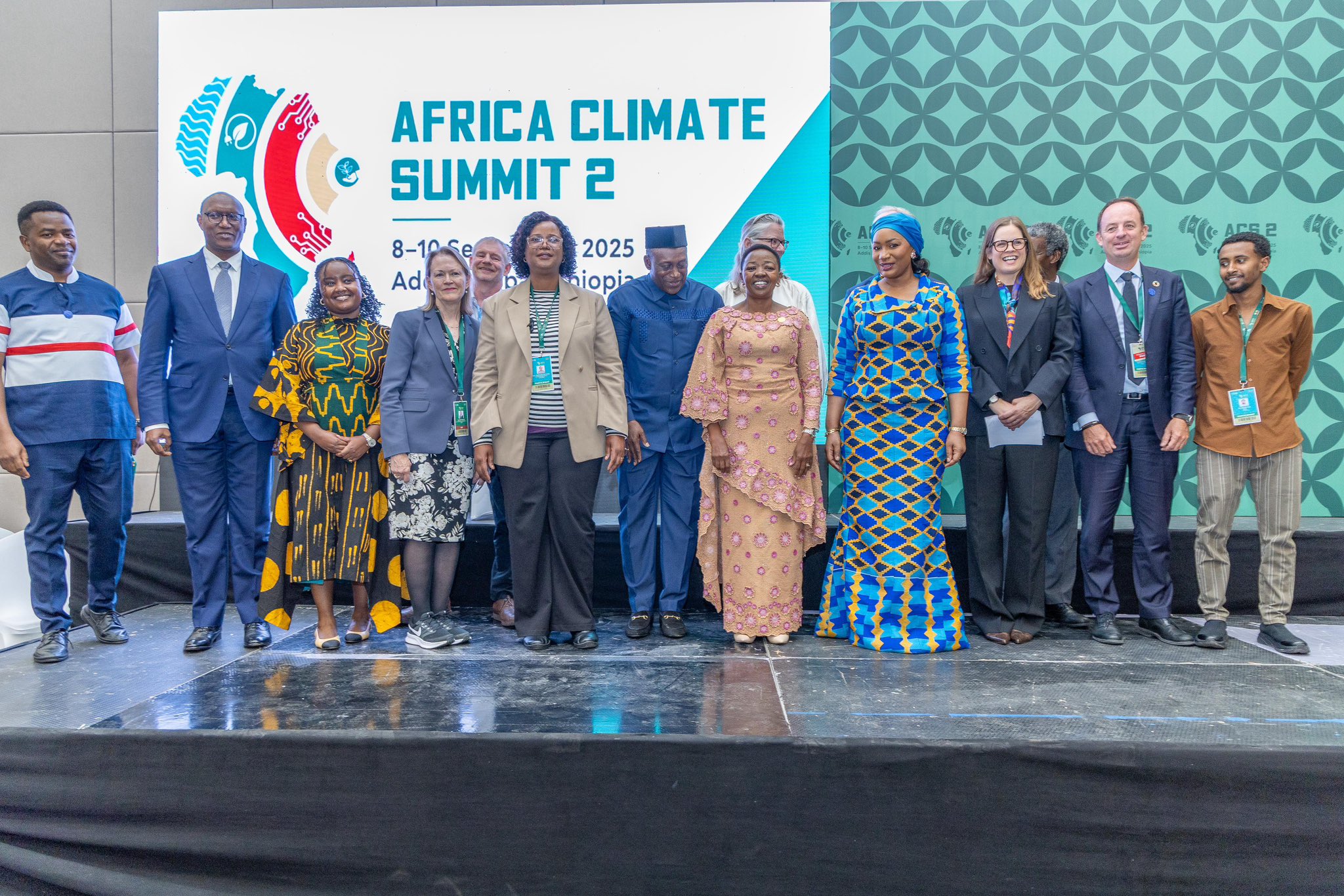
On the sidelines of the 2nd Africa Climate Summit taking place in Addis Ababa, Kenya’s First Lady, Mrs. Racheal Ruto has underscored the urgency of advancing access to clean cooking solutions as both a development and a health priority.
Mrs. Ruto emphasized that millions of women continued to use “silent killers” in the form of toxic fuels that threatened both health and dignity. She highlighted that clean cooking was not just a health matter but a cog in Kenya’s transformation and economic renewal. By securing universal access, countries would be able to protect children, especially the under fives, from household air pollution, conserve forests presently stripped bare for fuel, and curb the spread of related infections.
Linking the issue to the Sustainable Development Goals (SDGs 3, 5, 7, and 13), Mrs. Ruto speaking at a Presidential High-Level Event on Financing Clean Cooking: Shifting from Pilots to Decisive Delivery, pledged to increase Kenya’s clean cooking adoption from the current 10–30 percent to 80 percent within the next two years. She called for unlocking new financing models and placing women and youth at the center of clean energy innovations.
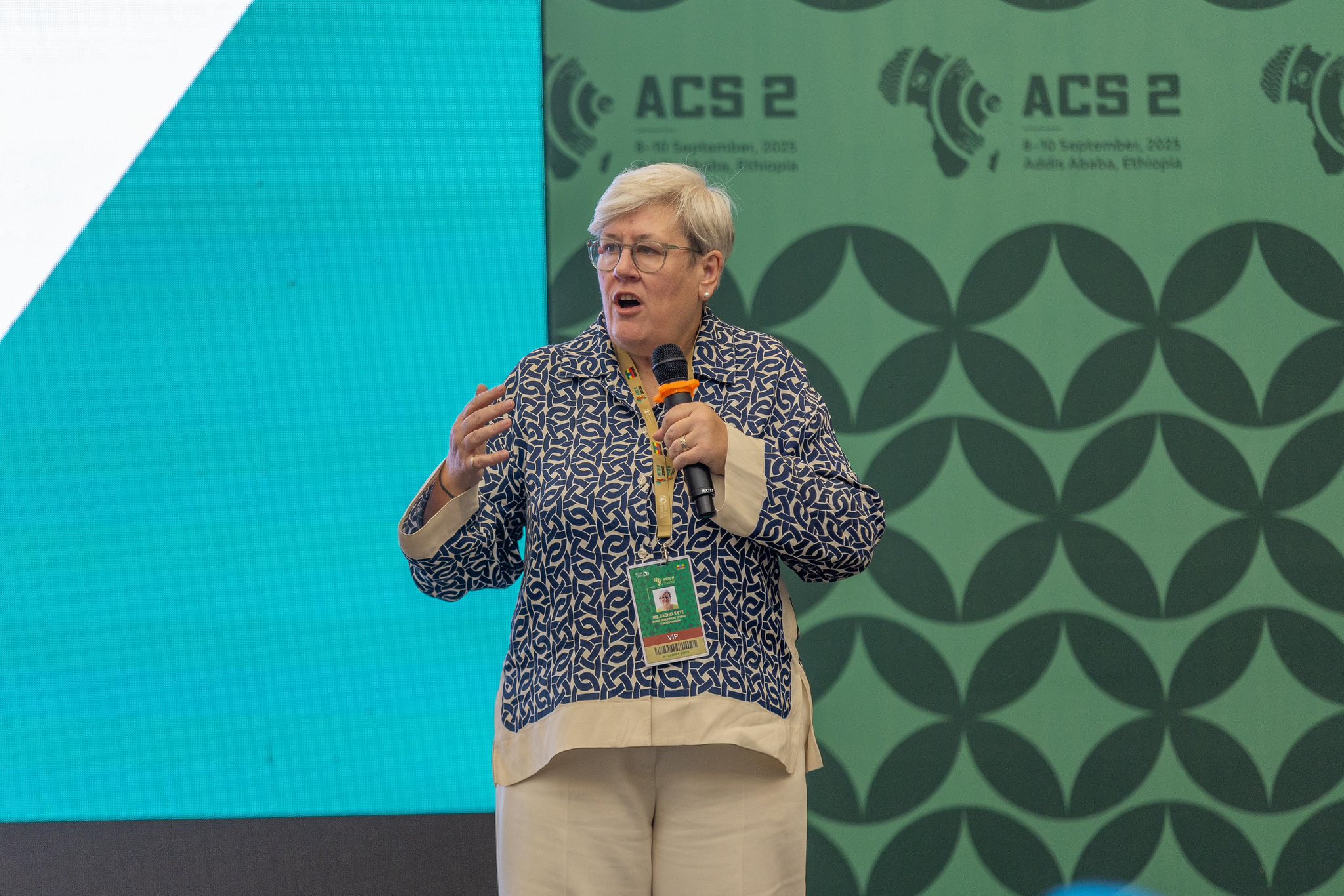
During the session, United Kingdom’s Special Envoy Racheal Kyte outlined the broader global momentum for clean cooking. She noted significant technological advances and rising financial interest in the sector, with new models of equity were giving more women access to resources. Ms. Kyte stated that the UK has already invested £110 million in clean fuel, extending partnerships into Saudi Arabia, and affirmed that the UK will remain a pragmatic partner in mobilizing further funding for Africa’s clean cooking agenda. Importantly, she urged governments and stakeholders to listen to the wisdom and voices of women, who were better placed at understanding and appreciating community needs.
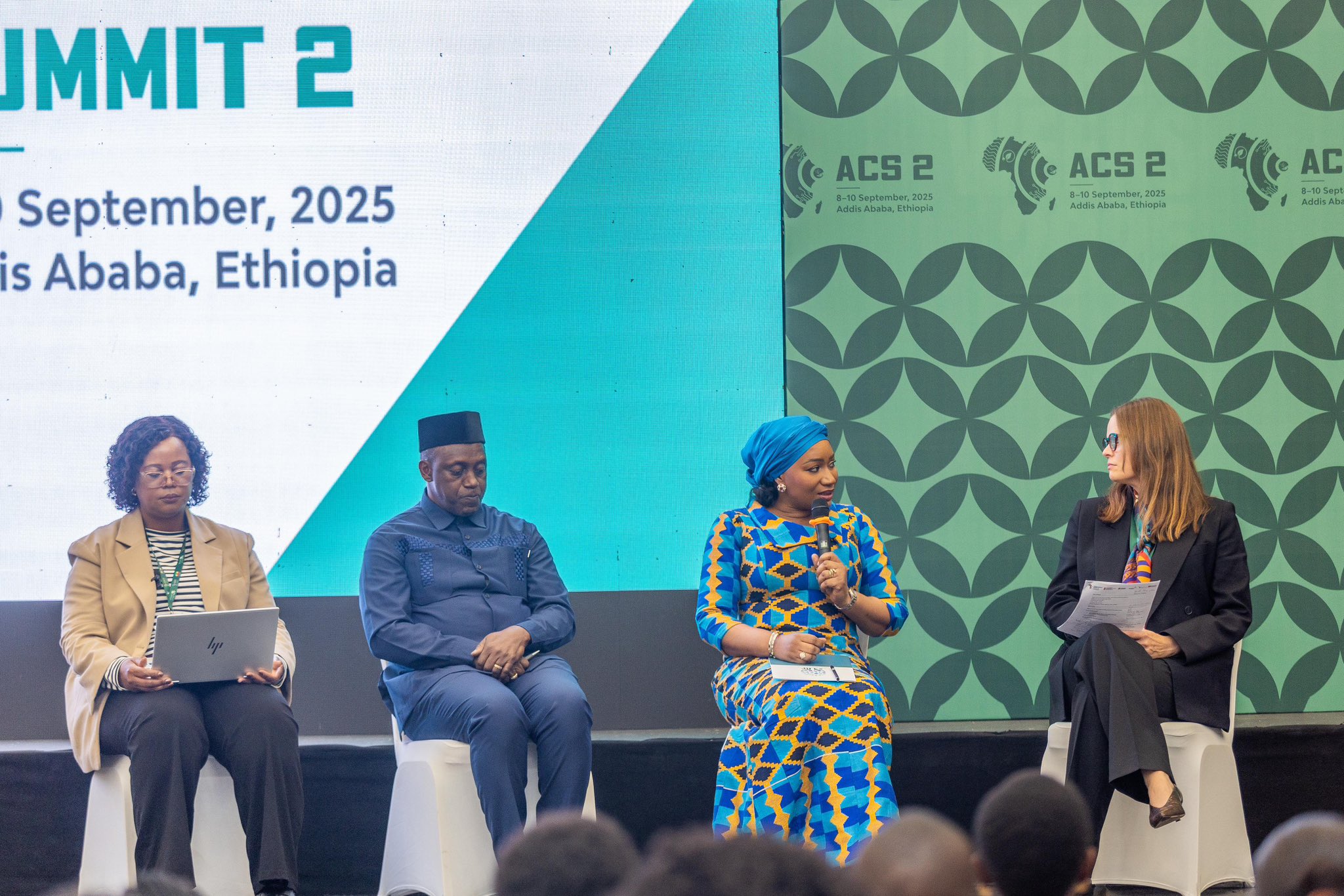
Panellists from across Africa called for urgent action in the advancement of clean cooking. Former Ghanaian First Lady Samira Bawumia warned that the cost of environmental degradation from unclean cooking was currently estimated at $40 billion; she stressed the need for stronger government commitment. A representative from Mozambique highlighted that inaction on safe cooking was costing Africa $17 billion annually. Mozambique, the conference was informed had initiated cleaning cooking strategies through the adoption of biomass production, encouraged the use of improved cooking stoves and packaging of small LPG bottles for domestic household use.
Special Representative of the Minister of Energy from Sierra Leone highlighted the significance of political leadership in upscaling cleaning cooking. The representative explained that clean cooking had long been treated as an afterthought, but recent reforms were beginning to change. The reforms included duty waivers for clean cooking fuels and appliances, investments in LPG production as efforts to replace harmful firewood and kerosene especially for educational institutional feeding. The representative affirmed that while 30 percent of Sierra Leone’s parliamentarians were women, this was a factor to propel the campaign for clean cooking in West Africa. The conference was informed that only seven heads of state in Africa had elevated clean cooking as a political agenda, underscoring the need for greater commitment.
SDG 3 looks at enhancing good health and well-being through efforts aimed at reducing maternal and child mortality, combat diseases, and ensure universal health coverage by reducing deaths from pollution, unsafe environments, and harmful practices such as toxic cooking fuels.
SDG 5 speaks to gender equality by focusing on ending discrimination, violence, and harmful practices against women; SDG 7 speaks to access to affordable, reliable, sustainable, and modern energy for all with efforts aimed to expand renewable energy, improve energy efficiency, and enhance access to modern cooking solutions by reducing reliance on biomass and kerosene.
SDG 13 looks at all urgent action taken to combat climate change and its impacts; strengthening resilience and adaptation to climate-related disasters; promoting climate-friendly policies and investment in low-carbon solutions and reducing reliance on unsustainable cooking fuels that contribute to lower carbon emissions and deforestation.