
State Department Trains Mental Health Champions Across Foreign Service
The State Department for Foreign Affairs has begun training mental health champions across its departments and cadres to strengthen early support, address stigma and promote the well-being of personnel serving at headquarters and Kenya’s missions.
The three-day training brings together officers from diverse functions, including Foreign Service, Human Resource, Communication, Legal, Accounts, Economics, Procurement, ICT, Planning, Records and Administration.
The programme is intended to equip trusted colleagues to recognise signs of distress, provide initial support and connect staff with appropriate professional services.
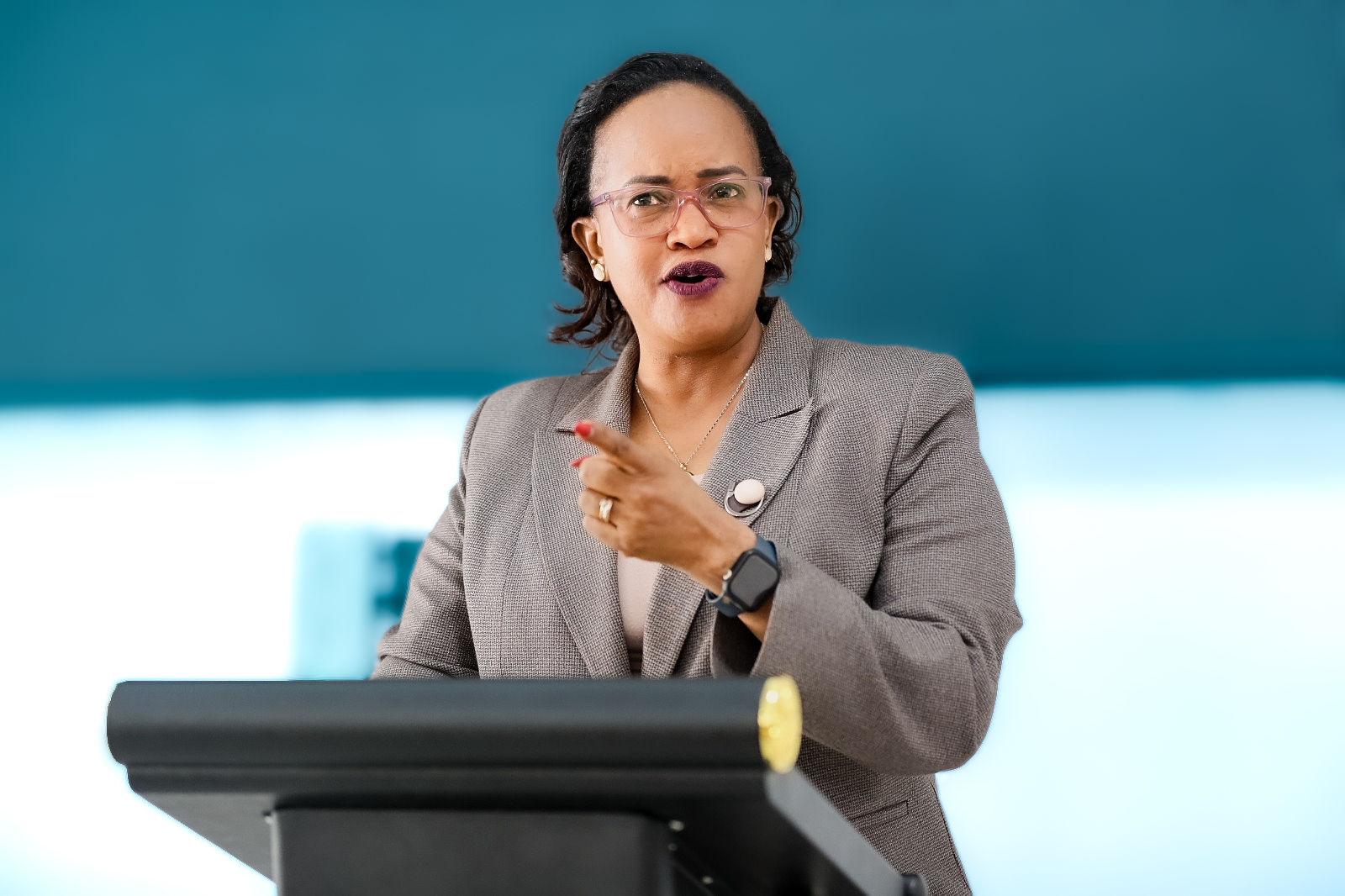
Opening the training, Director of Human Resource Management and Development Dr. Judy Njeru said mental health should form part of how the State Department supports the people responsible for delivering its mandate.
“In HR, we handle recruitment, postings, promotions, and discipline. But over the years, I have learned that the most important HR function is not in the file. It is in the person behind the file,” Dr. Njeru said.
She said changes such as withdrawal, isolation, anxiety and difficulty coping should not automatically be treated as disciplinary concerns, as some employees may require support rather than corrective action.
“These are not disciplinary cases. These are human cases. And they require a human response,” she said.
Dr. Njeru noted that workplace pressure can affect employees across the organisation, regardless of rank or responsibility.
From drivers handling sensitive assignments and officers managing demanding workloads to diplomats engaged in complex bilateral negotiations, she said the pressures faced by staff can take different forms.
“Stress does not know rank,” she said.
The champions are being trained around three practical responsibilities: SEE, LISTEN and LINK.
They are expected to recognise signs of distress, listen with empathy and without judgement, and connect colleagues with appropriate professional support.
Dr. Njeru emphasised that the champions are not being trained as counsellors. Their role is to provide an initial point of support and help colleagues access professional assistance when necessary.
Director of Counselling and Wellness Services at the State Department for Public Service and Human Capital Development, Esther Kinyanjui, underscored the importance of mental well-being in enabling employees to function effectively at work, in their families and in society.
“Mental health is not simply the absence of mental illness; it is a positive state of wellbeing that enables individuals to function effectively at work, in their families and in society. Strengthening awareness, encouraging early support and addressing stigma are therefore critical to building a healthy and resilient workforce,” Kinyanjui said.
Deputy Head of Department, Staff Wellness and Welfare, Caroline Imbayi, called for an approach to mental health grounded in staff experiences and responsive to the psychological and emotional challenges employees face.
She emphasised the importance of listening to staff and creating an environment where employees can discuss mental-health concerns without stigma or judgement.
“Listening to staff experiences is critical to understanding the mental-health challenges they face and ensuring that the support provided is practical, responsive and sustainable,” Imbayi said.
Assistant Director, Wellness and Counselling Services, and psychological counsellor Osman Mohamed Khalif, emphasised the importance of collective efforts to strengthen mental-health awareness and support in the workplace.
He said an environment that encourages employees to recognise when they are experiencing difficulties and seek appropriate assistance is important in promoting workplace well-being.
Dr. Njeru assured staff that seeking mental-health support should not become a barrier to their careers within the State Department.
“Seeking mental health support will never, and must never, be used against any officer in this State Department in terms of promotion, posting, or appraisal,” she said.
The initiative is particularly relevant to the Foreign Service, where personnel may undertake demanding assignments, serve away from home and adjust to different environments.
The champions are expected to provide accessible points of contact for colleagues at headquarters and in missions.
Dr. Njeru urged participants to take their role beyond the training room by encouraging open conversations about mental health within their respective departments.
“When you go back to your departments after this training, I don't want you to be the same. I want you to start a conversation,” she said.
The champions were selected for qualities including empathy, trustworthiness and peer influence, with the expectation that they will provide safe and supportive points of contact for colleagues experiencing difficulties.
The initiative is anchored on the theme, “Every Cadre, Every Department, Every Mission A Champion,” reflecting the training’s emphasis on accessible mental-health support across the Foreign Service.
“If we get this right, we will not just have a more productive ministry. We will have a happier, healthier family that can better represent Kenya to the world,” Dr. Njeru said.